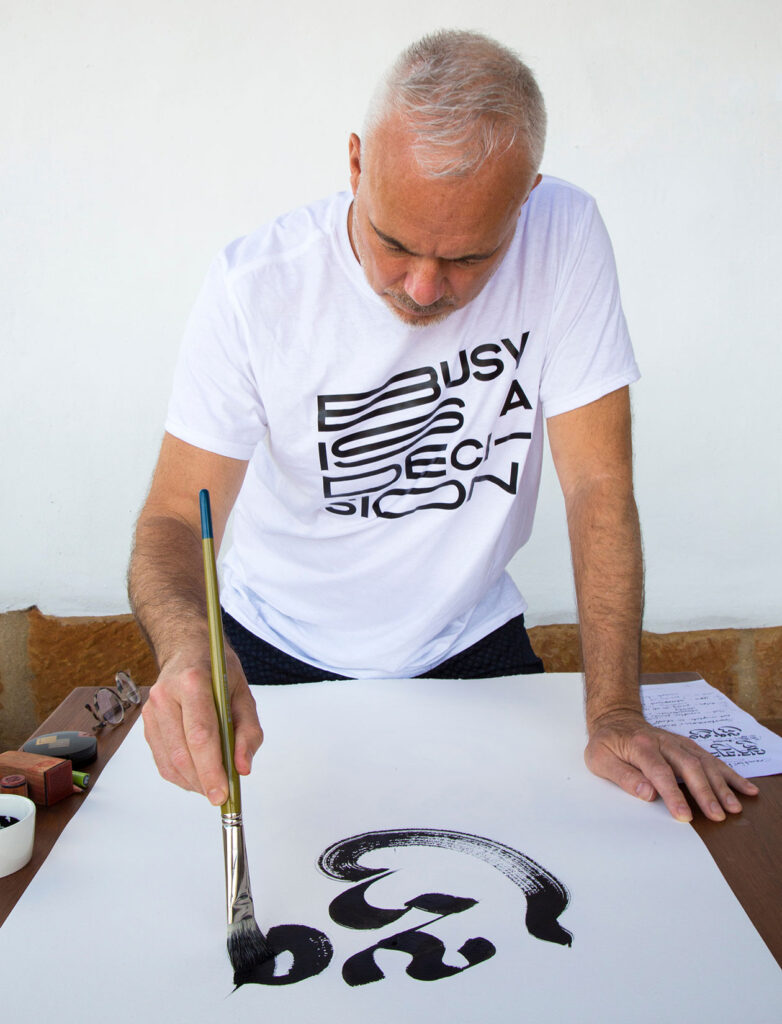
Tashi Mannox – Dharma Artist – Tibetan Calligrapher.
བཀྲ་ཤིས་མན་ནོག་སི། ཆོས་ཀྱི་སྒྱུ་རྩལ་བ། བོད་ཀྱི་ཡིག་གཟུགས་མཁན།
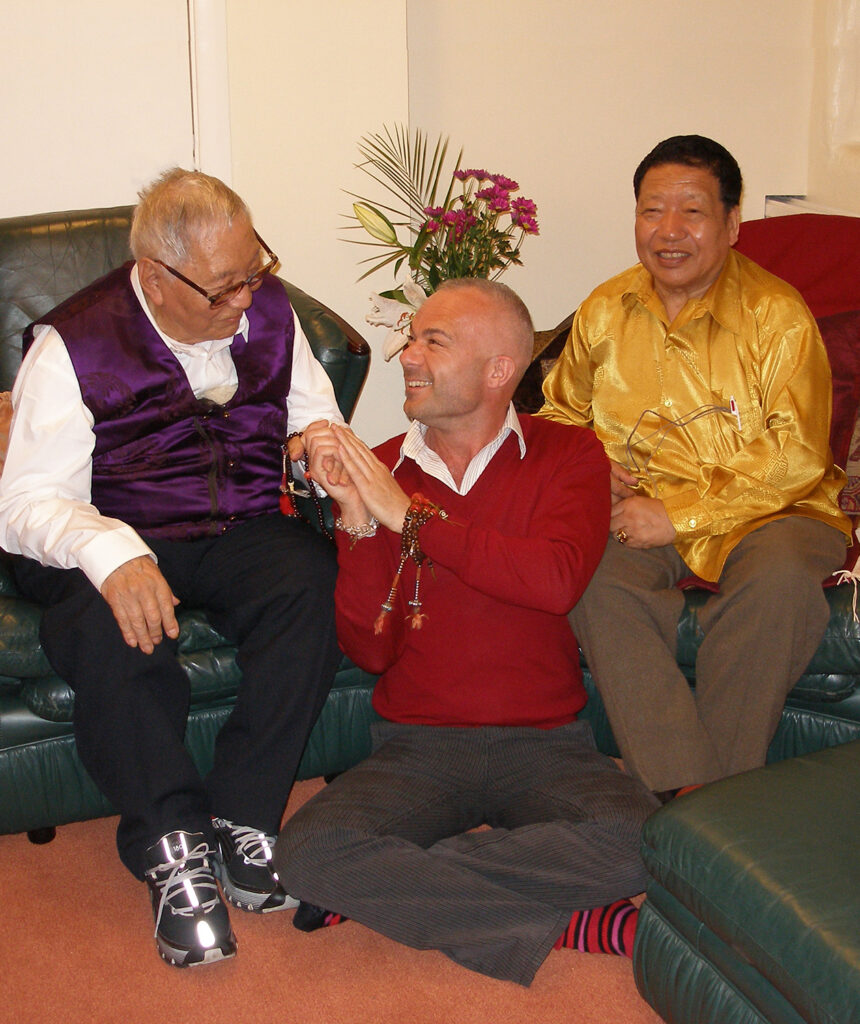
At the young age of 11 years Tashi Mannox’s mother, Sally Somersby, kindly introduced Tashi to Transcendental Meditation, with the intention to help concentration through his schooling. While his Father, Peter Mannox, became interested in Buddhism and invited Lamas and teachers to their family home. Subsequently, Akong Tulku Rinpoche became established as their family Lama, as well as Lama Shenpen Hookham, both of whom Tashi became closely connected as his lifetime mentors.
བཀྲ་ཤིས་མན་ནོག་སི་ལོ་ན་བཅུ་གཅིག་ཡིན་དུས་ཁོའི་ཨ་མ་ས་ལི•སོམ་མེར་སྦེ་ཡིས་བཀའ་དྲིན་ཆེན་པོའི་སྒོ་ནས་ཁྱད་དུ་འཕགས་པའི་སྒོམ་སྒྲུབ་ངོ་སྤྲོད་བྱས་ཤིང་། དེ་ནི་ཁོའི་སློབ་གྲྭའི་སློབ་སྦྱོང་ལ་དམིགས་པ་རྩེ་གཅིག་ཡོང་ཕྱིར་ཡིན། ཁོའི་ཕ་ལགས་ཕིས་ཀྲར•མན་ནོག་སི་ནང་པའི་ཆོས་ལ་དོ་སྣང་བྱུང་ནས་བླ་མ་དང་སློབ་དཔོན་དག་ཁོང་གི་ཁྱིམ་དུ་གདན་འདྲེན་ཞུས་པའི་རིང་ལ། ད་གཟོད་ཨ་དཀོན་རིན་པོ་ཆེ་ཁོང་ཚོའི་ནང་མིའི་བླ་མར་གྱུར། དེ་བཞིན་བླ་མ་གཞན་ཕན་ཧུ་ཁམ་སོགས་ག་ལེར་འབྲེལ་འདྲིས་བརྒྱུད་བཀྲ་ཤིས་ཀྱི་མི་ཚེ་གཅིག་གི་དགེ་བའི་བཤེས་གཉེན་དུ་གྱུར།
At about the same time he became friends with a renowned Burmese Forest-monk, Ven Dr Rewata Dhamma and two Tibetan Lamas from Palpung, Kham, Ven Lama Thubten and Lama Lodro, who happened to be living a short walking distance from Tashi’s home in Birmingham, U.K.
དུས་ཚོད་གཅིག་མཚུངས་ཡིན་པའི་རིང་ལ། ཁོ་དང་འབར་མའི་ནགས་ཀྱི་དགེ་སློང་སྙན་གྲགས་ཅན་འབུམ་རམས་པ་རེ་ཝ་ཏ•དྷ་མྨ་དང་། དབྱིན་ཡུལ་སྦར་མིང་ཧུམ་ན་ཡོད་པའི་བཀྲ་ཤིས་ཀྱི་ཁྱིམ་ནས་གོམ་བགྲོད་ཀྱིས་སླེབས་ཐུབ་པའི་ས་རུ་བཞུགས་པའི་བོད་ཀྱི་ཁམས་དཔལ་སྤུངས་ནས་ཡིན་པའི་བླ་མ་ཐུབ་བསྟན་དང་བླ་མ་བློ་གྲོས་བཅས་ཀྱི་གྲོགས་པོར་གྱུར།
Uncharacteristic for a young Western teenage boy, Tashi visited, as often as he could, his local Dharma center Karma Ling, learning Dharma from the Venerable teachers. This laid a firm foundation for the meditation practices from both the Hinayana and Mahayana traditions.
རྒྱུན་ལྡན་གྱི་ནུབ་ཕྱོགས་ན་གཞོན་ཞིག་དང་མི་འདྲ་བར། བཀྲ་ཤིས་ཀྱིས་དོ་སྣང་ཆེན་མོའི་སྒོ་ནས་གང་ཐུབ་ཅི་ཐུབ་ཀྱིས་ཉེ་འཁོར་གྱི་ནང་པའི་ཆོས་ཚོགས་ཀརྨ་གླིང་དུ་བསྐྱོད་ནས་བཀུར་འོས་ཀྱི་སློབ་དཔོན་དག་ལས་ཐེག་པ་ཆེ་ཆུང་གི་རྨང་གཞིའི་སྒོམ་སྒྲུབ་ཀྱི་རྩ་བ་འཛུག་པའི་ནང་ཆོས་ལ་སློབ་གཉེར་བྱས།
At the age of thirteen Tashi and his mother formally took ‘Refuge’ to become a Buddhist. Ven Kalu Rinpoche performed the Ceremony. Later that year Tashi and his parents and sibings met the head of the Karma Kagyu Order, H.H. the 16th Gyalwa Karmapa, Rangjung Rigpei Dorje. This inspired them all significantly, especially the witnessing of the famous Black Crown Ceremony of the Karmapa, who was traveling Europe and America at the time. He had an entourage of other eminent incarnate Lamas, including the 3rd Jamgon Kongtrul Rinpoché.
བཀྲ་ཤིས་ལོ་ན་བཅུ་གསུམ་དུ་སོན་ནས་རང་གི་ཨ་མ་དང་མཉམ་དུ་སྐྱབས་རྗེ་ཀ་ལུ་རིན་པོ་ཆེའི་སྐུ་མདུན་ནས་ཆོ་ག་དང་བཅས་སྐྱབས་འགྲོའི་སྡོམ་པ་ཞུས་ཏེ་ནང་པ་རྣལ་མ་ཞིག་ཏུ་གྱུར་ཅིང་། ལོ་དེ་རིང་ལ་ཁོའི་ཕ་མ་གཉིས་དང་སྤུན་དང་སྲིང་མོ་བཅས་ཀྱི་མཉམ་དུ་བཀའ་བརྒྱུད་པའི་སྤྲུལ་པའི་སྐུ་མཆོག་འཇམ་མགོན་ཀོང་སྤྲུལ་སོགས་དང་ལྷན་དུ་ཡོ་རོབ་དང་ཨ་མེ་རི་ཀར་ཆིབས་སྒྱུར་མཛད་རིམ་སྐྱོང་བཞིན་པའི་ཀརྨ་བཀའ་བརྒྱུད་ཀྱི་བསྟན་པའི་བདག་པོ་དཔལ་རྒྱལ་དབང་ཀརྨ་པ་བཅུ་དྲུག་པ་ཆེན་པོ་རང་བྱུང་རིག་པའི་རྡོ་རྗེའི་གསེར་ཞལ་མཇལ་པ་དང་། སྤྱི་དང་བྱེ་བྲག་གི་ཆོས་ཀྱི་མཛད་རིམ་དག་དང་ཁྱད་པར་དུ་ཞྭ་ནག་བསྒྲོན་པའི་མཛད་སྒོ་ཁྱད་པར་བ་དེས་བག་ཆགས་ཁྱད་པར་བ་ཞིག་བཞག
At the age of 15 Tashi took the initiative to travel to Brussels, alone, to join his childhood friend Lama Shenpen to receive teachings from Khenpo Tsultrim Gyamtso Rinpoché. At this time Tashi showed his first interest in learning to read and write Tibetan by copying and singing Khenpo Rinpoché’s Dohas.
བཀྲ་ཤིས་ལོ་བཅོ་ལྔ་ལ་སོན་དུས་རང་ཉིད་ཁེར་རྐྱང་གིས་སྦུ་རུ་སེལ་ལ་བསྐྱོད་ཅིང་། དེར་རང་གི་གྲོགས་པོ་བླ་མ་གཞན་ཕན་བརྒྱུད་ནས་མཁན་པོ་ཚུལ་ཁྲིམས་རྒྱ་མཚོའི་མདུན་ནས་གསུང་ཆོས་ཞུས། སྐབས་འདིར་བཀྲ་ཤིས་ཀྱིས་མཁན་རིན་པོ་ཆེའི་དོ་ཧའི་ལུང་འདྲེན་དང་གྱེར་འདོན་གནང་བ་བརྒྱུད་རང་གིས་ཀྱང་བོད་ཡིག་འབྲི་ཀློག་ལ་སློབ་སྦྱོང་བྱེད་རྒྱུའི་ཆོད་སེམས་བསླེབས།
At the age of 22 Tashi had completed his formal schooling and further training in the fine arts. Under the direction of Akong Tulku Rinpoche, Tashi then received the commitments of a novice monk from Ven Kalu Rinpoche. Two years later he became a fully precepted Gelong monk under H.E. Situ Rinpoché. This furthered Tashis’17 years of monastic training in the multiple practices within the Kagyu and Nyingma traditions.
བཀྲ་ཤིས་ཀྱིས་རང་ལོ་ཉེར་གཉིས་སྟེང་རྒྱུན་སྲོལ་སློབ་གྲྭ་མཐར་ཕྱིན་རྗེས་ཨ་དཀོན་རིན་པོ་ཆེའི་ལམ་སྟོན་འོག་ཞིབ་ཕྲའི་སྒྱུ་རྩལ་ལ་སྦྱོང་བརྡར་བྱས་ཤིང་། ཀ་ལུ་རིན་པོ་ཆེ་ལས་དགེ་ཚུལ་གྱི་སྡོམ་པ་ཞུས། ལོ་གཉིས་ཀྱི་རྗེས་སུ་སྐྱབས་རྗེ་སི་ཏུ་རིན་པོ་ཆེའི་ཞབས་དྲུང་ནས་ཡོངས་སུ་རྫོགས་པ་དགེ་སློང་གི་སྡོམ་པ་ཞུས། དེ་བཞིན་བཀྲ་ཤིས་ཀྱིས་ལོ་བཅུ་བདུན་གྱི་དགོན་པའི་སྦྱོང་བརྡར་བརྒྱུད་བཀའ་བརྒྱུད་ནས་རྙིང་མའི་ཆོས་བརྒྱུད་ལ་སློབ་སྦྱོང་དང་ཉམས་ལེན་བྱས།
During his time at the Samye Ling Dharma center in Scotland, while learning the monastic sciences form Ven Tenga Rinpoché, which included mandala construction and Tibetan calligraphy, Tashi also apprenticed under the guidance of the master of Tibetan arts Sherab Palden Beru, while building and decorating a traditional Tibetan style temple at Samye Ling.
སྐབས་དེར་བཀྲ་ཤིས་ཀྱིས་སི་ཀོ་ཁྲི་ལན་དུ་ཡོད་པའི་བསམ་ཡས་གླིང་དུ་བསྟན་དགའ་རིན་པོ་ཆེ་ལས་དགོན་པའི་རིག་གཞུང་གི་བྱེ་བྲག་རྡུལ་ཚོན་དཀྱིལ་འཁོར་དང་ཡིག་གཟུགས་ལ་སློབ་གཉེར་བྱས། དེ་བཞིན་བོད་ཀྱི་སྲོལ་རྒྱུན་ལྷ་ཁང་བསམ་ཡས་གླིང་བཞེང་སྐབས་བོད་ཀྱི་སྒྱུ་རྩལ་སློབ་དཔོན་ཤེས་རབ་དཔལ་ལྡན་བེ་རིའི་ལམ་སྟོན་འོག་སྦྱོང་བརྡར་བྱས།
At the same time, Tashi was trained by Akong Tulku in the art of traditional monks robe making, which included ceremonial hats, Cham dance costumes and thangka scroll framing, serving the many aspects of a fully functioning monastery.
དེ་བཞིན་བཀྲ་ཤིས་ཀྱིས་ཨ་དཀོན་སྤྲུལ་སྐུའི་མདུན་ལས་བོད་ཀྱི་སྲོལ་རྒྱུན་སེར་མོ་བའི་ན་བཟའ་དབུ་ཞྭ་དང་འཆམ་གོས། ཐང་ཀའི་མཐའ་སྒྲོམ་བཟོ་སྟངས། དགོན་པའི་སྣ་མང་བཟོ་བཀོད་ཀྱི་བྱེད་ལས་སོགས་ཀྱང་སྦྱངས།
At that time, the Samye Ling center in Scotland was privileged to have H.E. Situ Rinpoché residing for many months at a time, over a period of several years. During this time Tashi would join Situ Rinpoché while he created Dharma art and guided Tashi as an artist. He also recommended and approved Tashi’s first personal seal.
སྐབས་དེར་བསམ་ཡས་གླིང་ཆོས་ཚོགས་ཀྱིས་སྐྱབས་རྗེ་སི་ཏུ་རིན་པོ་ཆེ་ལོ་རེར་ཟླ་བ་འགའ་རེར་གདན་འདྲེན་ཞུ་བའི་ལས་འཆར་ཞིག་ཡོད་པས། དུས་སྐབས་རེ་རེ་བཞིན་བཀྲ་ཤིས་ཀྱིས་སི་ཏུ་རིན་པོ་ཆེ་མཆོག་གིས་ཆོས་ཀྱི་སྒྱུ་རྩལ་བཞེང་སྐྲུན་གནང་བར་མཉམ་ཞུགས་དང་། དེ་འབྲེལ་བཀྲ་ཤིས་ཀྱི་ཆེས་ཐོག་མའི་ཐམ་ཀ་དང་འབྲེལ་སྒྱུ་རྩལ་པ་ཞིག་ཏུ་ངོས་འཛིན་གནང་།
At the height of his training Tashi entered a traditional four-year cloistered retreat, deepening his practice of meditation, as well as the Tantras and Yogas. This retreat was directed by Lama Yeshi Losal Rinpoché and other visiting masters such as H.E Situ Rinpoché, Ven Thrangu Rinpoché and Akong Tulku Rinpoché, who bestowed teachings and empowerments.
སྦྱོང་བརྡར་ཚད་མཐོར་ཕྱིན་པ་དང་བསྟུན། བཀྲ་ཤིས་ཀྱིས་ལོ་བཞིའི་དབེན་པའི་མཚམས་སྒྲུབ་ལ་བསྡད་དེ་སྒོམ་སྒྲུབ་དང་གསང་སྔགས་རྣལ་འབྱོར་བཅས་ཇེ་ཟབ་ཏུ་བཏང་། མཚམས་སྒྲུབ་འདིར་བླ་མ་ཡེ་ཤེས་བློ་གསལ་དང་ཕྱོགས་ཕེབས་སྐྱབས་རྗེ་སི་ཏུ་རིན་པོ་ཆེ། བཀུར་འོས་བསྟན་དགའ་རིན་པོ་ཆེ། ཨ་དཀོན་སྤྲུལ་སྐུ་རིན་པོ་ཆེ་སོགས་ཀྱིས་བཀའ་ཆོས་དང་བཀའ་དབང་གནང་།
During and after the long-term retreat, Tashi became established as a scribe, a practice that spanned many years, meticulously copying ancient Tibetan manuscripts of the various sutras and Dharma practices. Even writing on a daily basis it took a year or so to complete a single volume. Many of these manuscripts were reproduced as everyday usable prayer books and are still in use today. It was this arduous discipline as a scribe that refined his ability in the art of Tibetan calligraphy, especially that of the classical Uchen script.
རྒྱུན་རིང་གི་བསྙེན་སྒྲུབ་ཀྱི་སྐབས་དང་དེའི་རྗེས་སུ། བཀྲ་ཤིས་ངོས་ལེན་ཐོབ་པའི་ཡིག་མཁན་ཞིག་ཏུ་གྱུར་པ་དང་། ཞིབ་ཚགས་ངང་བོད་ཀྱི་གནའ་བོའི་ཆོས་དཔེ་སྣ་ཚོགས་འདྲ་བཤུས་དང་མདོ་དང་བསྟན་བཅོས་སྣ་ཚོགས་ལ་སློབ་སྦྱོང་བྱས། ལག་བྲིས་གཞིར་བཟུང་གིས་ལོ་གཅིག་གི་རིང་ལ་པོད་གཅིག་ལོ་གཅིག་གི་རིང་མཇུག་རྫོགས། ཕྱག་དཔེ་དེ་ཚོའི་མང་པོ་ཞིག་ཉིན་རེའི་ལག་དེབ་ཏུ་གྱུར་ཅིང་དེང་སྐབས་ད་དུང་བེད་སྤྱོད་བཞིན་ཡོད། དེ་ནི་རུ་ང་བརྩོན་འགྲུས་ཀྱི་ཡིག་འབྲི་བ་འདིའི་འཇོན་ནུས་ལས་བྱུང་བའི་བོད་ཀྱི་ཡིག་གཟུགས་སྒྱུ་རྩལ་དང་། ཁྱད་པར་དུ་སྲོལ་རྒྱུན་དབུ་ཅན་དཔེ་ཆ་རེད།
It was chiefly Akong Rinpoche who encouraged and kept a close eye on Tashi’s progress as a calligraphy artist. He guided and raised the quality of his penmanship with the attitude of: there is no second best.
དེ་ནི་ཨ་དཀོན་རིན་པོ་ཆེས་དབུ་ཁྲིད་དང་བློ་སྟོབས་བསྐྱེད་པ་ལས་བྱུང་བའི་བཀྲ་ཤིས་ཀྱི་ཡིག་གཟུགས་སྒྱུ་རྩལ་ཞིག་ཡིན། དེ་བཞིན་ཁོང་གི་ལམ་སྟོན་དང་གསོ་སྐྱོང་ལས་བྱུང་བའི་ཁྱད་དུ་འཕགས་ཤིང་དེ་ལས་གཉིས་པ་མེད་པའི་སྤྱོད་པ་རེད།
The last seven years as a monk, Tashi was devoted as an attendant to Akong Tulku Rinpoché on their tours to the various Dharma centers around the U.K, Europe and Russia. This included many duties such as assisting in the refuge ceremony and empowerments that Akong Tulku bestowed. On other occasions, Tashi also escorted Akong Rinpoché to visit His charitable projects in Nepal and Tibet, which also educated Tashi in the business of commissioning ceremonial dharma objects and the design of woodcarving to fit out shrines of various dharma centers back in the West.
གྲྭ་པ་བྱས་པའི་ཐ་མའི་ལོ་བདུན་གྱི་རིང་དེར། བཀྲ་ཤིས་ཨ་དཀོན་རིན་པོ་ཆེའི་དད་དམ་ཟབ་པའི་སློབ་མ་ནང་མར་གྱུར་ཏེ། རིན་པོ་ཆེའི་དབྱིན་ལན་གྱི་ས་གནས་ཁག་དང་ཨུ་རུ་སུར་ཆིབ་སྒྱུར་སྐབས་སྐྱབས་འགྲོའི་སྡོམ་པ་དང་དབང་སྐུར་སོགས་ཀྱི་ཞབས་ཞུ་བ་ཡང་བྱས། ཡང་སྐབས་འགར་ཨ་དཀོན་རིན་པོ་ཆེ་བོད་དང་བལ་ཡུལ་ན་ཡོད་པའི་རང་ཉིད་ཀྱི་དགེ་རྩེའི་ལས་གཞི་དག་ལ་རྟོག་ཞིབ་གནང་བར་ཕེབས་དུས་བཀྲ་ཤིས་ལྷན་དུ་སོང་སྟེ་ཞབས་ཞུ་བྱེད་ཞོར་དུ་ཆོས་ཆས་ཉོ་ཚོང་དང་མཆོད་གཤོམ་གྱི་ཤིང་བརྐོས་སོགས་ནུབ་ཕྱོགས་ཀྱི་ཆོས་ཚོགས་རྣམས་ལ་མཁོ་བའི་དོན་ལ་ཆ་རྒྱུས་ཟབ་མོ་ལོན།
At the turn of the millennium, after difficult deliberation, Tashi laid down his monastic duties to pursue a career as an artist. With the intention that he could reach a much wider audience and introduce Dharma further afield through the means of his art and teaching.
དུས་རབས་ཀྱི་འཁོར་སྐྱོད་ཁྲོད་དུ། བསམ་བློ་དང་སྒོམ་སྒྲུབ་མང་པོའི་རྗེས་སུ། བཀྲ་ཤིས་ཀྱི་སླར་ཡང་སྒྱུ་རྩལ་པ་ཞིག་དང་མི་སྐྱ་ཞིག་ཏུ་འགྱུར་རྒྱུའི་བློ་ཐག་བཅད། ཁོས་རང་གི་སྒྱུ་རྩལ་བརྒྱུད་དེ་མི་མང་པོར་སློབ་ཁྲིད་བྱེད་ཐུབ་བསམས།
He first travelled to India to do a purification pilgrimage to Bodhgaya and other sacred sites. While searching for an authentic teacher of Lantsa and Wartu Sanskrit scripts, this quest lead him to Dharamsala where he was directed by the Nechung oracle to one of the last remaining masters of Lantsa and Wartu, Lama Pema Lodrup, who took on Tashi as his student, who quickly learnt this art form.
བཀྲ་ཤིས་ཀྱིས་སྒྲིབ་སྦྱོང་ལ་དམིགས་ཏེ་རྒྱ་གར་གྱི་རྡོ་རྗེ་གདན་སོགས་གནས་ཆེན་རྣམས་ལ་གནས་མཇལ་དུ་བསྐྱོད། ལནྫྰ་དང་ཝརྟུ་གཉིས་ཀྱི་ཁུངས་ལྡན་སློབ་དཔོན་ཞིག་འཚོལ་ཞིབ་བྱེད་བཞིན་པའི་དུས་སུ། རྡ་རམ་ས་ལར་བསྐྱོད་དེ་གནས་ཆུང་སྐུ་རྟེན་སློབ་སྟོན་དང་འབྲེལ། ལནྫྰ་དང་ཝརྟུའི་ཆེས་མཐའ་མཇུག་གི་འབྲི་རྒྱུན་འཛིན་པ་བླ་མ་པདྨ་བློ་གྲོས་དང་མཇལ་ཞིང་། ཁོང་གིས་བཀྲ་ཤིས་དགེ་ཕྲུག་ཏུ་བླངས་ཏེ་མི་འགྱངས་པར་སྒྱུ་རྩལ་གྱི་གཟུགས་རིས་འདི་སློབ་ཁྲིད་གནང་།
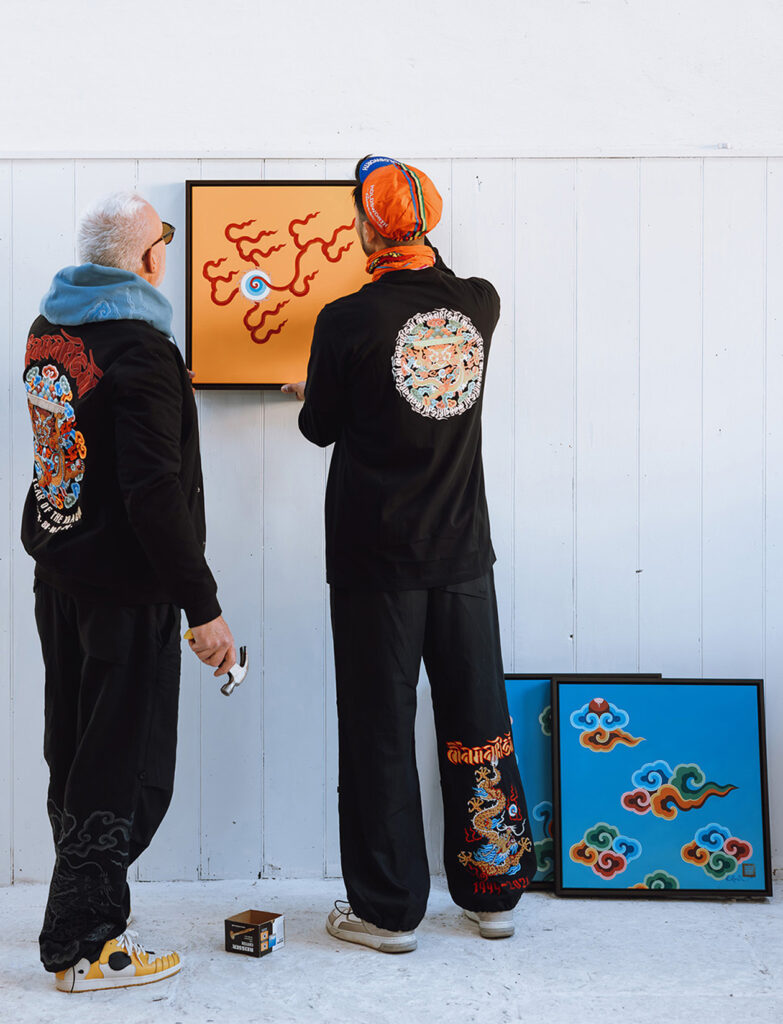
This is where a career as a contemporary Tibetan Calligrapher and Dharma Artist started. Tashi initially based himself in London, while learning and perfecting the various other Tibetan scripts and styles. He soon became an established artist, holding solo exhibitions internationally: in London, Los Angeles, Moscow, New York, Sharjah of the United Arab Emirates and more recently in Bhutan and South Korea.
དེ་བཞིན་དུ་དེང་རབས་ཅན་གྱི་ཆོས་ཀྱི་སྒྱུ་རྩལ་བོད་ཀྱི་ཡིག་གཟུགས་ཀྱི་ལས་རིགས་མགོ་བཙུགས། ལོན་སྒྲོན་ལ་གནས་བཅས་ཏེ་ལོ་བཅོ་ལྔའི་རིང་བོད་ཀྱི་ཡིག་གཟུགས་སྣ་ཚོགས་ལ་སློབ་སྦྱོང་བྱས། མི་འགྱངས་པར་ཁོང་སྒྱུ་རྩལ་པ་ཞིག་ཏུ་གྱུར། དེ་བཞིན་ལོན་སྒྲོན་དང་ལོ་སི་ཨེན་ཇུ་ལི་སི། མའོ་སི་ཁོ། ཉིག་ཡོར། ཨ་རབ་མཉམ་འབྲེལ་རྒྱལ་ཁབ་ཀྱི་ཤར་ར་ཧ། འབྲུག་ཡུལ་བཅས་རྒྱལ་སྤྱིའི་ས་གནས་མང་པོར་ཁོང་གི་ཡིག་གཟུགས་འགྲེམ་སྟོན་བྱས།
Over the past 15 years Tashi has held numerous workshops, courses and retreats worldwide, teaching Tibetan calligraphy and the meditative approach to creativity, with active concerns in the conservation and preservation of the Tibetan and Dzongkha written languages.
འདས་པའི་ལོ་བཅུའི་རིང་ལ་བཀྲ་ཤིས་ཀྱིས་འཛམ་གླིང་གི་ས་གནས་མང་པོ་ཞིག་ཏུ་བྱ་གཞག་སྣ་མང་ཞིག་གཉེར་བ་དང་། སློབ་ཁྲིད་དང་སྒོམ་སྒྲུབ་སྣ་ཚོགས། སྒོམ་ཉམས་ལེན་གྱི་སྒོ་ནས་བོད་ཀྱི་ཡིག་གཟུགས་དང་གསར་གཏོད་རྩལ་སྦྱོང་སོགས་སློབ་ཁྲིད་བྱས་ཏེ། བོད་ཡིག་དང་རྫོང་ཁའི་སྐད་ཡིག་ཡི་གེར་འབྲི་བའི་ལས་གཞི་མི་ཉམས་གོང་སྤེལ་ཐད་བྱས་རྗེས་ཆེན་པོ་ཞིག་བཞག་ཡོད།
He is currently working on his second book, a Tibetan writing manual, for Wisdom Publications, while also filming tuition videos for Wisdom’s online academy.
ཉེ་ཆར་ཁོང་གིས་ཁོའི་དེབ་གཉིས་པ་ཞིག་སྟེ་བོད་ཀྱི་ཡིག་གཟུགས་ལག་དེབ་ཅིག་ཡེ་ཤེས་དཔར་སྐྲུན་ཁང་ལ་སྤྲོད་འཆར་ཡོད་པ་དང་། དེ་བཞིན་ཡེ་ཤེས་དྲ་ལམ་གྱི་གློག་བརྙན་གྱི་སློབ་དཔོན་ཡང་བྱེད་བཞིན་ཡོད།།
སྤྲུལ་སྐུ་ཆོས་དབྱིངས་སྣ་ཚོགས་རང་གྲོལ་ལམ་ཀླུ་སྨྱོན་ཧེ་རུ་ཀས་དབྱིན་ཡིག་ནས་བོད་ཡིག་ཏུ་བསྒྱུར། ནོར་བ་ཡོད་ན་དགོངས་དག་ཞུ།། །།